Why Magazine Features No Longer Bring Clients — PR for Interior Designers in 2026
Why editorial coverage in AD, House & Garden or ELLE Decoration no longer converts directly into clients — and how interior designers should combine PR and marketing today. A practical guide by London-based PR consultant Alla Yaskovets.
For decades, publication marked the natural culmination of a design project.
An interior was completed, photographed, published and, more often than not, new commissions followed.
Designers who have been in the industry for twenty years or more will remember that era well. Editorial coverage was one of the few ways prospective clients discovered designers, and magazines held enormous influence over who got noticed.
I witnessed this firsthand.
Back in 2008, I worked within a design studio that had spent nearly eight years building its reputation project by project. When one of its interiors landed a magazine cover, it marked the practice's first major editorial breakthrough.
Almost overnight, the perception of the studio changed. New, more affluent clients began to come through the door, and the practice gradually moved away from smaller-scale commissions. The projects became larger, more ambitious and increasingly architectural.
At the time, this was exactly how editorial publishing worked. A single cover story could transform the trajectory of a design practice.
Stories like these were not unusual.
The End of the Glossy Magazine Era
That was a very different publishing landscape.
Twenty years ago, leading interiors magazines occupied a central position within the design industry. Print circulations were stronger, advertising budgets were significantly larger, and editorial teams had resources that would be difficult to imagine today.
Editors regularly commissioned photographers, stylists, producers and writers, often producing stories at the magazine's own expense. Publication was a genuine editorial investment.
Today, the economics of publishing look very different.
Most magazines rely on designers to provide professionally photographed projects and ready-to-publish content.
Clients No Longer Discover Designers Through One Channel
The transformation of publishing, however, was only half the story.
The other half was happening on the client side.
As magazines became one of many sources of inspiration rather than the primary one, prospective clients began moving between Instagram, Pinterest, Google, online publications, referrals and industry rankings before deciding whom to contact. The journey that had once been relatively straightforward became fragmented across multiple platforms.
Editorial coverage is now just one touchpoint among many.
This is often where expectations and reality diverge.
A studio may invest heavily in photography, styling and PR, secure coverage in a respected publication — or even land a cover story — and still see little immediate impact on enquiries.
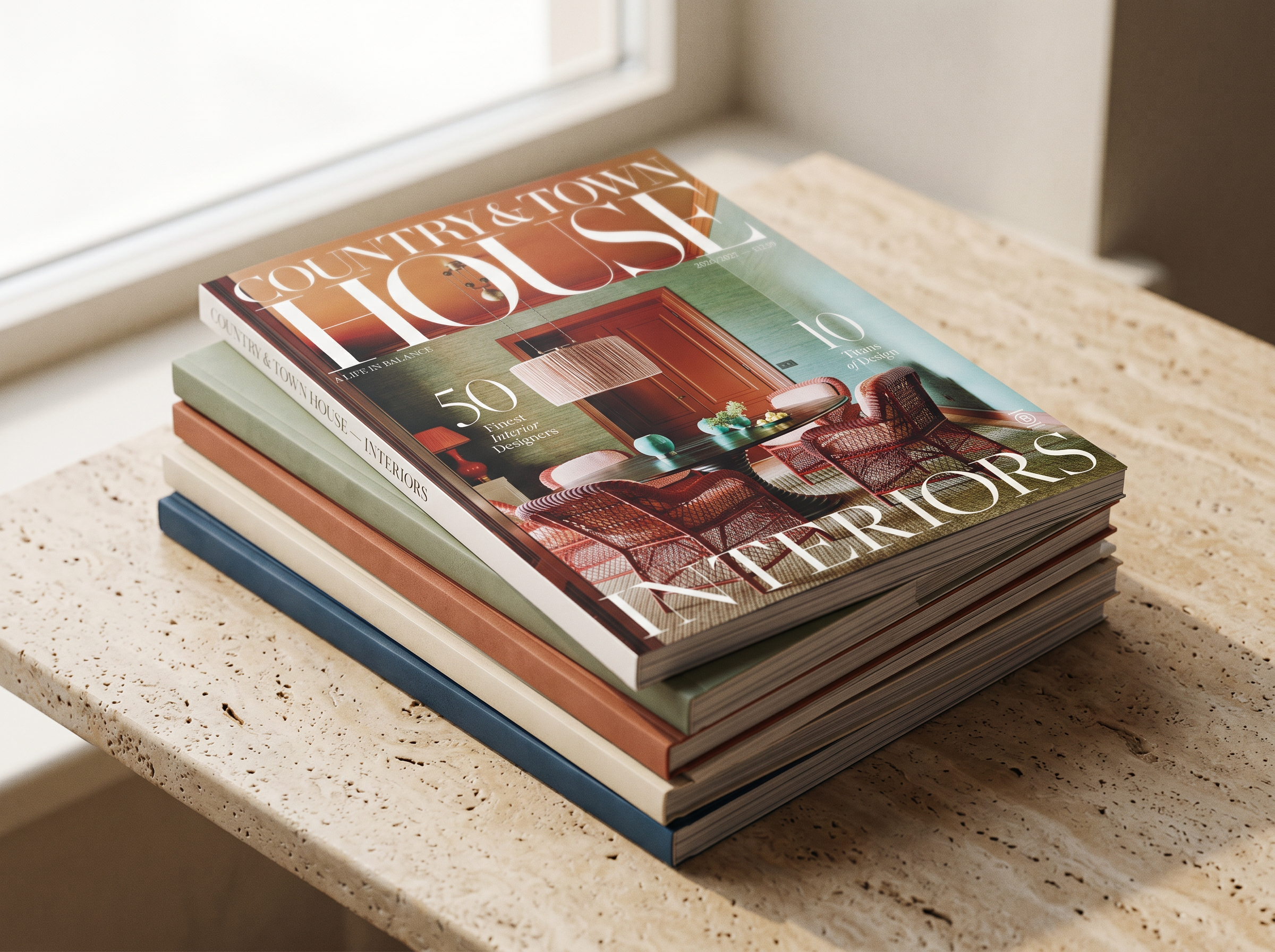
Not long ago, one of my clients was featured on the cover of regional AD. It was a significant editorial achievement and a moment many designers aspire to. The project received exceptional exposure, widespread attention across social media and considerable industry recognition.
What it did not generate was an immediate wave of new commissions. Not a single client enquiry could be directly attributed to the cover itself.
For many designers, this comes as a surprise.
After all, if an AD cover does not bring clients, what will?
PR and Marketing Are Not the Same Thing
The distinction lies in understanding the difference between PR and marketing.
The two are often grouped together, yet they serve fundamentally different purposes.
Marketing is designed to generate enquiries. It includes SEO, Google Ads, social media, referrals, email marketing and paid advertising.
PR builds visibility, authority and trust.
The mistake many studios make is expecting publication to perform the role of marketing.
Editorial coverage was never designed to function as a lead-generation tool. Its value lies elsewhere.
A published project validates your work. It provides independent, third-party endorsement. It creates credibility that can be referenced in client presentations, proposals and conversations. It demonstrates that respected editors consider your work worthy of attention.
That credibility becomes particularly valuable when competing for high-value residential and hospitality projects, where clients are often choosing between several designers with similarly strong portfolios.
The Real Business Value of Editorial Coverage
The greatest impact of PR is rarely immediate.
It is cumulative.
A single feature may not generate enquiries, but a sustained editorial presence can significantly influence how a studio is perceived within the industry.
Publication is often the entry ticket rather than the end result.
For editors and industry figures, repeated visibility matters. It is rarely a single feature that establishes a studio, but a consistent editorial presence that allows its work to be understood over time. Only then does a practice become part of the wider design conversation.
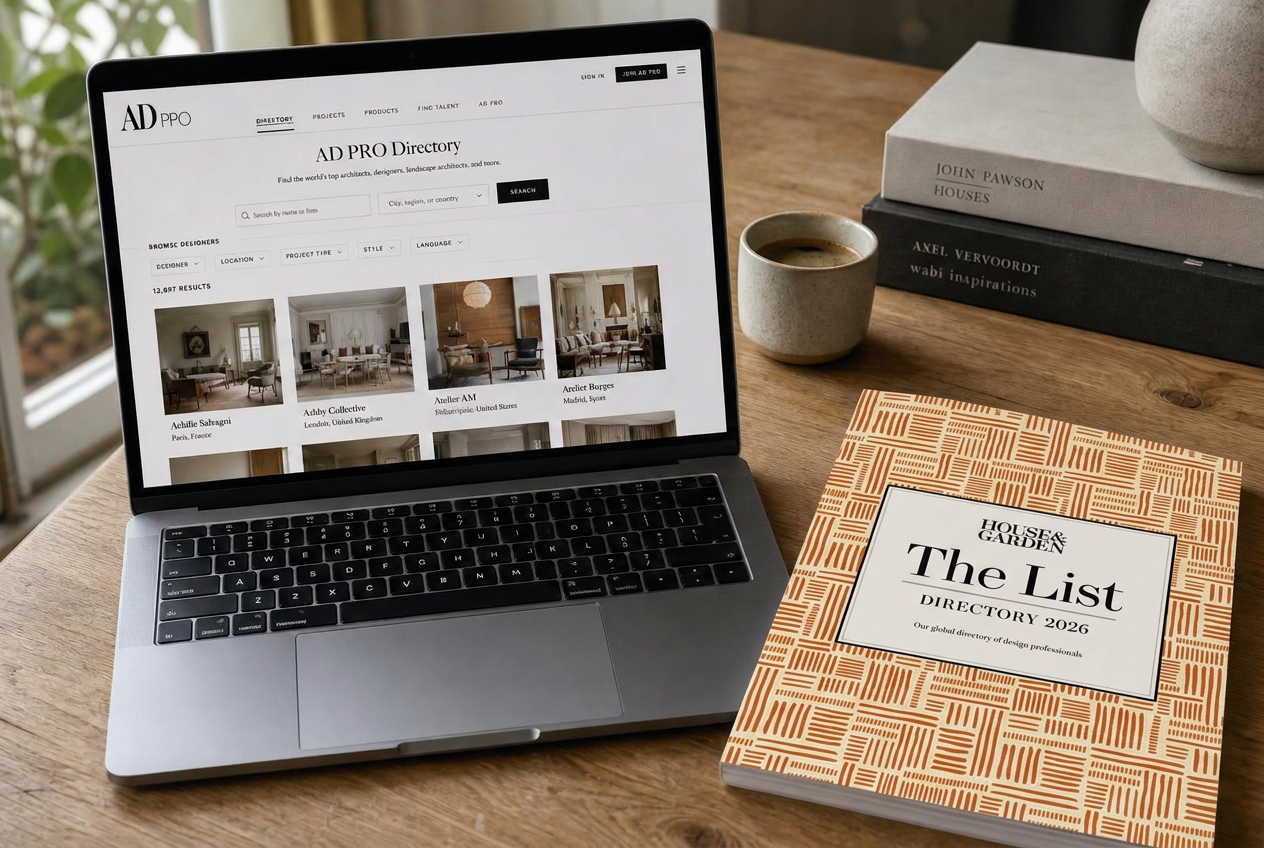
This accumulation of visibility is what eventually leads to inclusion in broader forms of recognition — from awards to editor-curated rankings such as AD100 or House & Garden's Top 100 Interior Designers.
For clients, however, these rankings often carry more weight than individual project features.
Homeowners, developers and hospitality brands regularly consult such lists when selecting a designer. Particularly in the luxury market, inclusion in a respected ranking can have a greater impact on winning new commissions than a single published project.
In that sense, publication does not directly bring clients.
It builds the conditions in which recognition — and ultimately client trust — becomes possible.
The Cost of Staying Invisible
At the same time, I often see talented designers make the opposite mistake.
Convinced that PR is only for established names, they choose not to invest in publication at all.
Projects are photographed solely for portfolio purposes, shared privately with prospective clients and never submitted to magazines.
This is perhaps the greatest missed opportunity.
A portfolio is, by definition, a closed environment. It is only seen by people who are already looking for you.
Publication allows a project to travel beyond your own channels.
It can be discovered by editors, award juries, journalists, developers, future collaborators and prospective clients who may never have encountered your studio otherwise.
Visibility creates opportunities that cannot always be measured through direct enquiries.
Where PR Fits Into a Modern Design Business
The question today is not whether PR works.
The question is how it fits within a broader business strategy.
Some studios need immediate enquiries and should prioritise marketing.
Others need stronger positioning, industry recognition and long-term authority.
The most successful practices invest in both.
Marketing creates visibility.
PR creates credibility.
Marketing helps clients find you.
PR helps them choose you.
And in today's design industry, sustainable growth requires both.